WordPress vs AI Website Builders: Which One Is Better for Your Business?
✅ WordPress vs AI Website Builders: Which One Is Better for Your Business in 2026?
In 2026, WordPress still powers 43% of the entire internet and over 60% of all CMS-based websites. But AI website builders have exploded in popularity — promising a full professional site in minutes with zero coding.
So which should your business actually use? The honest answer: It depends on your goals, timeline, and growth plans.
Here’s a clear, no-hype breakdown based on real 2026 data.
Quick Side-by-Side Comparison (2026 Reality)
FactorWordPressAI Website BuildersWinner?Time to LaunchHours to daysMinutes to hoursAIEase of UseModerate learning curveNo skills needed (just describe it)AICustomizationUnlimited (60,000+ plugins/themes)Good but limited by AI & platformWordPressSEO ControlExcellent (Yoast, RankMath, schema)Built-in & solid, but less advancedWordPressScalabilityHandles anything (e-commerce, blogs, memberships)Great for simple sites; limits on complexWordPressMaintenanceYou (or your team) handle updates/securityFully managedAICost (Year 1)$100–$500+ (hosting + plugins)$20–$300 (subscription)TieOwnership & ExportFull ownership & portabilityOften platform-lockedWordPressBest ForGrowing businesses, e-commerce, agenciesQuick launches, simple sites, non-tech users—
What Is WordPress in 2026?
WordPress is an open-source content management system (CMS). It’s not just a blog tool anymore — with full-site editing, AI-assisted features, and thousands of plugins, it’s the most powerful and flexible platform on the web.
Strengths:
Massive ecosystem (WooCommerce powers millions of online stores)
Pixel-perfect control
Best-in-class SEO tools
Future-proof (you own your site forever)
Weaknesses:
Requires hosting, updates, and basic tech knowledge
Can feel overwhelming for complete beginners
What Are AI Website Builders in 2026?
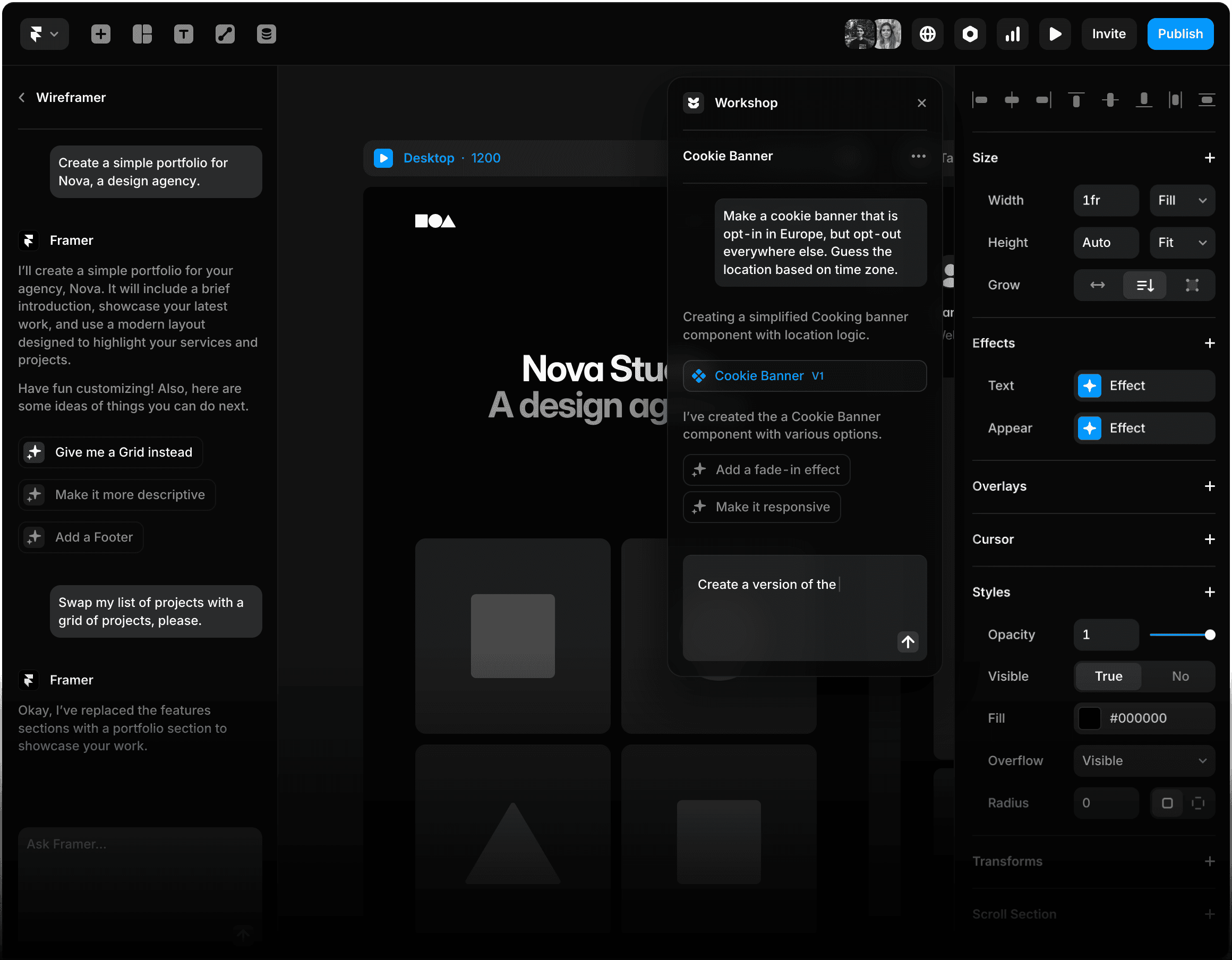
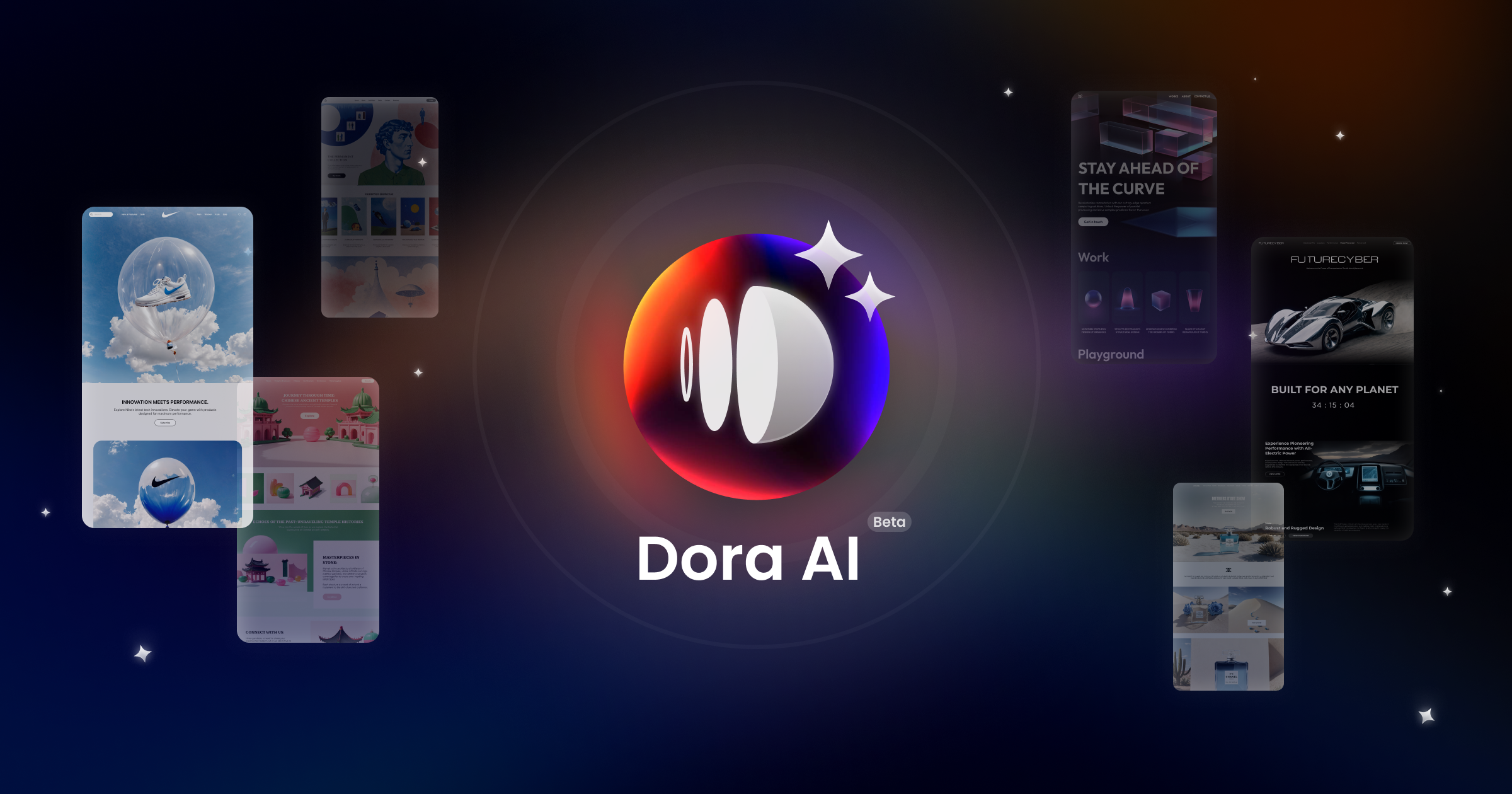
Tools like Framer AI, Dora AI, Wix ADI, Hostinger AI, WordPress.com AI, and others let you type a prompt (“modern portfolio for a design agency”) and generate a complete, responsive website instantly.
Strengths:
Blazing-fast setup
Beautiful modern designs out of the box
Automatic mobile optimization + basic SEO
Zero maintenance
Weaknesses:
Limited deep customization without prompts or manual tweaks
Platform dependency (harder to migrate)
Can struggle with complex functionality
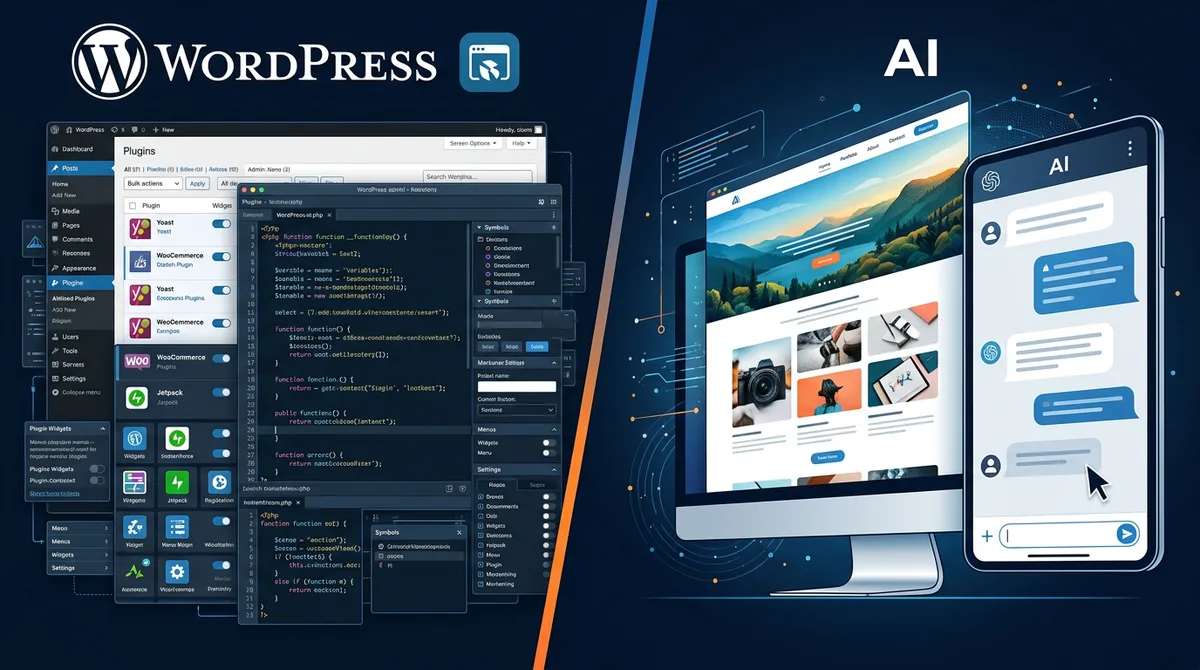
Which One Should You Choose for Your Business?
Choose AI Website Builders if:
You need a site live this week
You’re a solopreneur, local service business, or portfolio site
You hate tech and want zero maintenance
Your needs are simple (brochure site, landing page, basic lead gen)
Choose WordPress if:
You plan to grow your business long-term
You need advanced features (e-commerce, memberships, blogs, custom functionality)
SEO and organic traffic are critical
You want full ownership and flexibility
You’re building something that will scale beyond a basic presence
Pro Tip: Many AI builders (including WordPress.com AI) actually build on WordPress now — giving you the best of both worlds.
My 2026 Recommendation
Most small businesses & startups: Start with an AI builder to launch fast and validate your idea.
Serious businesses that want to scale: Go with WordPress (or an AI-assisted WordPress solution).
The smartest move? Use AI to build your first version quickly, then migrate to WordPress when you’re ready to grow.
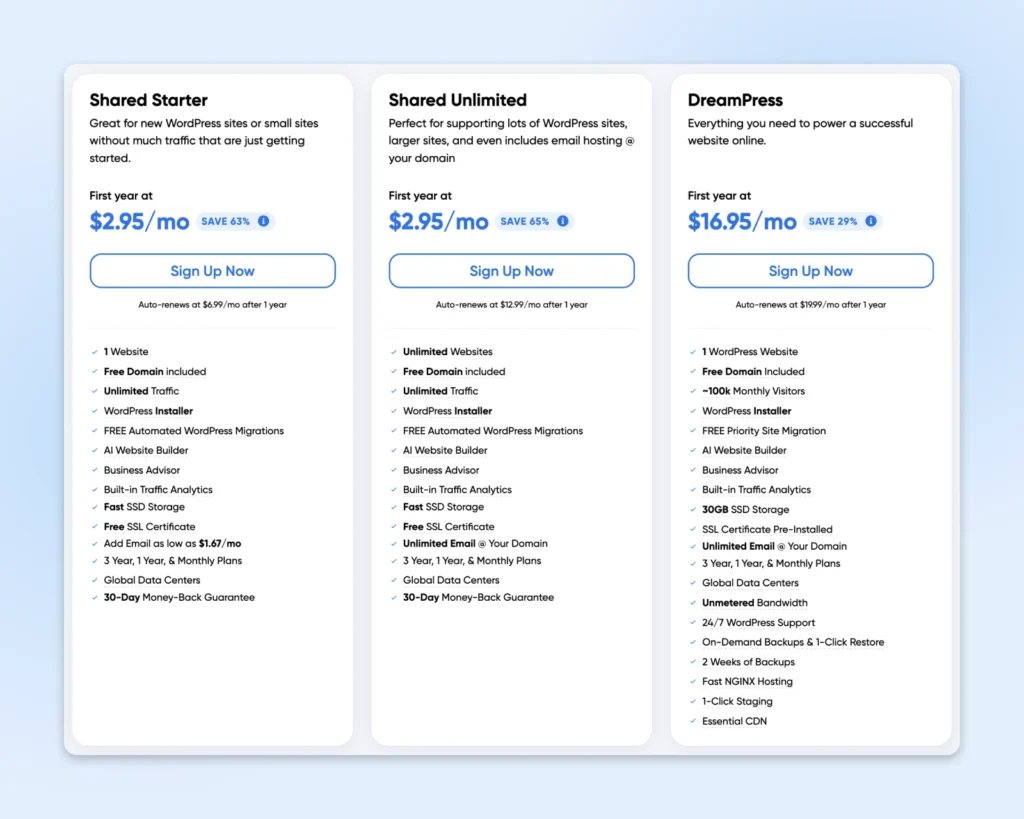
Bottom line: AI wins on speed and simplicity. WordPress wins on power, control, and long-term value. Neither is “dead” — they solve different problems.