How to Rank #1 on Google (Step-by-Step)
How to Rank #1 on Google: The Ultimate Step-by-Step Guide (2026 Edition)
Ranking at the top of Google search results is the holy grail of digital marketing. Position #1 can drive massive organic traffic, build authority, and significantly boost revenue. While Google's algorithm is complex and constantly evolving, the fundamentals remain consistent: create exceptional value for users while following SEO best practices.
This comprehensive guide walks you through a proven, step-by-step process to improve your chances of ranking #1. Success requires time, consistency, and patience—expect 3-12 months for competitive keywords.
Step 1: Set Clear Goals and Understand the Fundamentals
Before optimizing, define what success looks like. Are you targeting informational, navigational, or transactional keywords?
Key Concepts to Master:
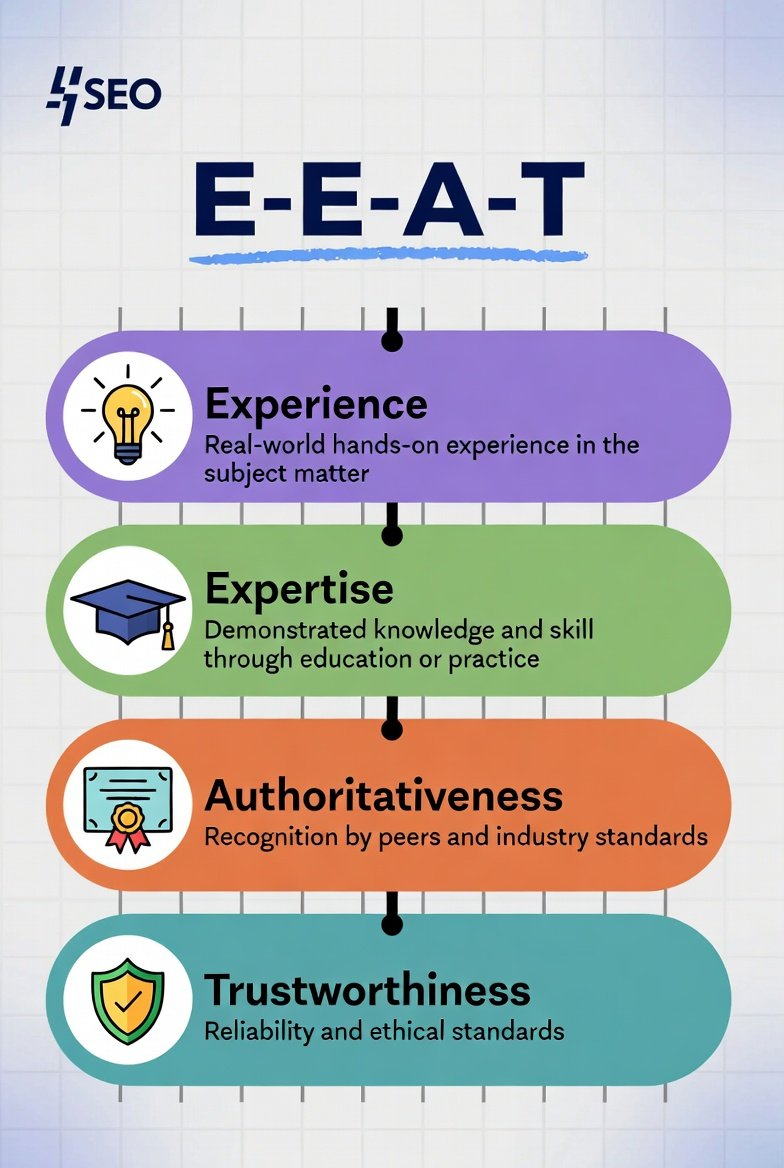
E-E-A-T: Experience, Expertise, Authoritativeness, and Trustworthiness. Google prioritizes content from credible sources.
Search Intent: Match exactly what users want (informational, navigational, commercial, transactional).
Core Web Vitals: Page speed, interactivity, and visual stability matter.
Action Items:
Set up Google Analytics 4 and Google Search Console.
Identify your target audience and their pain points.
Step 2: Conduct Thorough Keyword Research
Keyword research is the foundation of #1 rankings.
How to Do It:
Brainstorm seed keywords related to your niche.
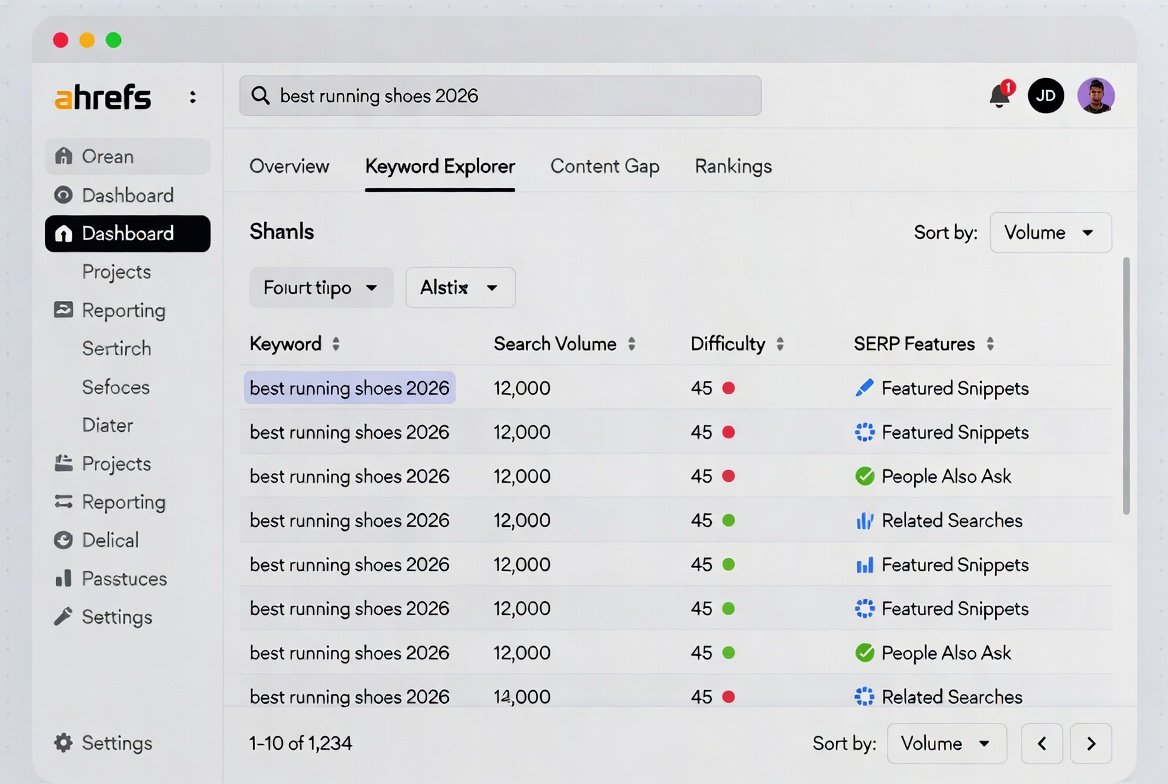
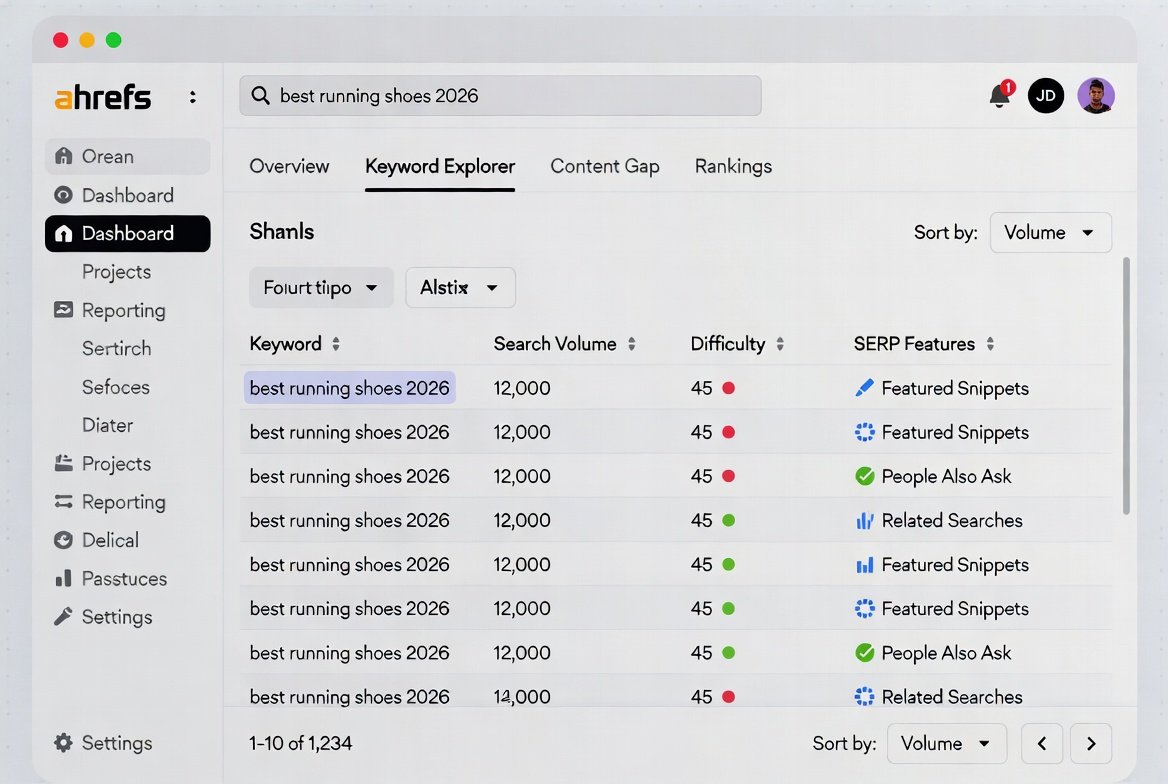
Use tools like Google Keyword Planner, Ahrefs, SEMrush, or KWFinder.
Focus on:
Low-competition, high-intent keywords (long-tail phrases).
Search volume vs. difficulty balance.
Questions (People Also Ask).
Analyze top-ranking pages: What content length, format, and elements do they have?
Pro Tip: Target "keyword clusters" — related terms around a central topic for topical authority.
Step 3: Create World-Class Content
Google rewards content that truly helps users better than competitors.
Content Best Practices:
Write comprehensive, in-depth articles (often 2,000+ words for competitive topics).
Structure with clear headings (H1, H2, H3).
Include visuals, videos, infographics, and downloadable resources.
Answer all related questions users might have.
Update content regularly (evergreen + freshness signals).
Content Types That Rank Well:
Ultimate guides
How-to tutorials
Comparison articles
Listicles with data
Original research/case studies
Make your content 10x better than the current #1 result.
Step 4: Optimize On-Page SEO
On-page elements tell Google what your page is about.
Checklist:
Title Tag: Include primary keyword naturally (50-60 characters).
Meta Description: Compelling summary with keyword (under 160 characters).
URL Structure: Short, descriptive, keyword-rich.
Header Tags: Logical hierarchy with keywords.
Image Optimization: Alt text, compressed files, descriptive filenames.
Internal Linking: Link to relevant pages on your site.
Schema Markup: Add structured data for rich snippets.
Step 5: Nail Technical SEO
Technical issues can prevent ranking no matter how great your content is.
Essential Technical Optimizations:
Mobile-first responsive design.
Fast loading speed (under 2-3 seconds).
Secure HTTPS protocol.
XML Sitemap and robots.txt.
Proper canonical tags.
Fix crawl errors in Search Console.
Implement Core Web Vitals improvements (Largest Contentful Paint, etc.).
Structured data / Schema.org markup.
Use tools like PageSpeed Insights, GTmetrix, and Screaming Frog.
Step 6: Build High-Quality Backlinks
Backlinks remain one of Google's strongest ranking signals.
Proven Link-Building Strategies:
Create link-worthy content (original studies, tools, infographics).
Guest posting on authoritative sites.
Broken link building.
HARO (Help a Reporter Out) and journalist outreach.
Digital PR and media mentions.
Resource page link insertion.
Quality Over Quantity: Focus on relevant, high-DA sites. Avoid spammy links.
Step 7: Enhance User Experience (UX) and Engagement
Google measures how users interact with your site.
Key Factors:
Intuitive navigation and site architecture.
Low bounce rate through valuable content.
Clear calls-to-action.
Fast, smooth mobile experience.
Readability (short paragraphs, bullet points, images).
Step 8: Monitor, Analyze, and Iterate
SEO is never "set it and forget it."
Tools to Use:
Google Search Console (impressions, clicks, positions).
Google Analytics (user behavior).
Rank tracking tools (Ahrefs, SEMrush, SERP Robot).
Heatmapping tools (Hotjar, Microsoft Clarity).
Regularly audit performance, update old content, and double down on what works.
Common Mistakes to Avoid
Keyword stuffing.
Ignoring mobile users.
Buying low-quality links.
Thin or duplicated content.
Slow page speed.
Not optimizing for featured snippets and AI Overviews.
Conclusion: The Long Game Wins
Ranking #1 on Google is achievable with a systematic approach combining great content, technical excellence, and authority building. Focus on providing genuine value to users — Google will reward you over time.
Start implementing these steps today. Track your progress monthly, stay updated with algorithm changes via reliable sources, and be patient. The sites that rank #1 consistently are those that treat SEO as an ongoing investment rather than a one-time project.
Ready to start? Pick one pillar from this guide and take action this week. Share your progress in the comments!
Last updated: May 2026. SEO evolves rapidly — always verify latest best practices.
This guide is for educational purposes. Results vary based on competition, niche, and execution quality.