When Biology Becomes Software: How IT Professionals Are Transitioning to Biocomputing
When Biology Becomes Software: How IT Professionals Are Transitioning to Biocomputing
Introduction
The future of computing is no longer just silicon — it’s biological. Biocomputing uses living cells, DNA, and biological processes to store, process, and transmit information.
For many IT professionals, this represents both an exciting opportunity and a major career shift. In this guide, you’ll learn what biocomputing is, why it’s gaining momentum, and how software engineers, developers, and IT experts are successfully transitioning into this emerging field.
What Is Biocomputing and Why It Matters
Biocomputing (also called biological computing or DNA computing) treats biological systems like living computers. It uses molecules such as DNA and proteins to perform calculations, store massive amounts of data, and solve complex problems more efficiently than traditional computers in specific areas.
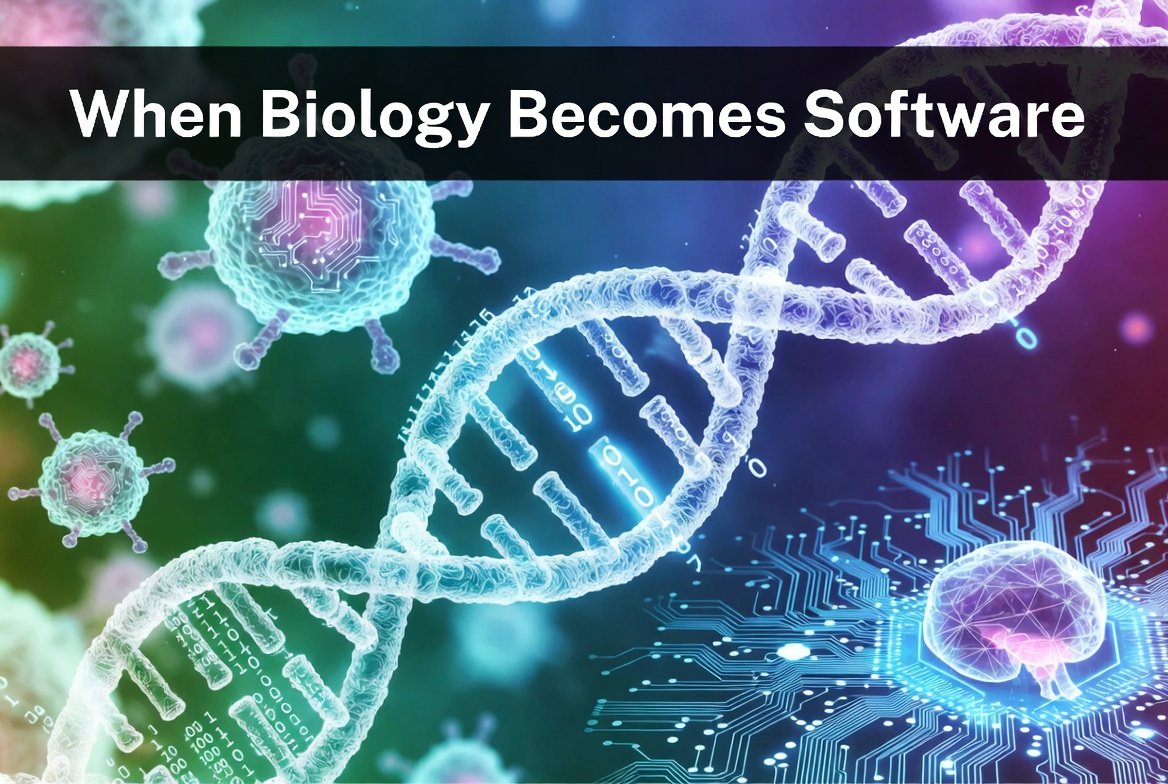
This field sits at the intersection of biology, computer science, and engineering — often called “Biology as Software.”
Why Traditional Computing Is Reaching Its Limits
Moore’s Law is slowing down
Enormous energy consumption of data centres
Physical limits of silicon chips
Need for massive parallel processing
Biocomputing offers potential solutions: extreme energy efficiency, natural parallelism, and incredible data density (one gram of DNA can theoretically store 215 petabytes of data).
How IT Professionals Are Transitioning to Biocomputing
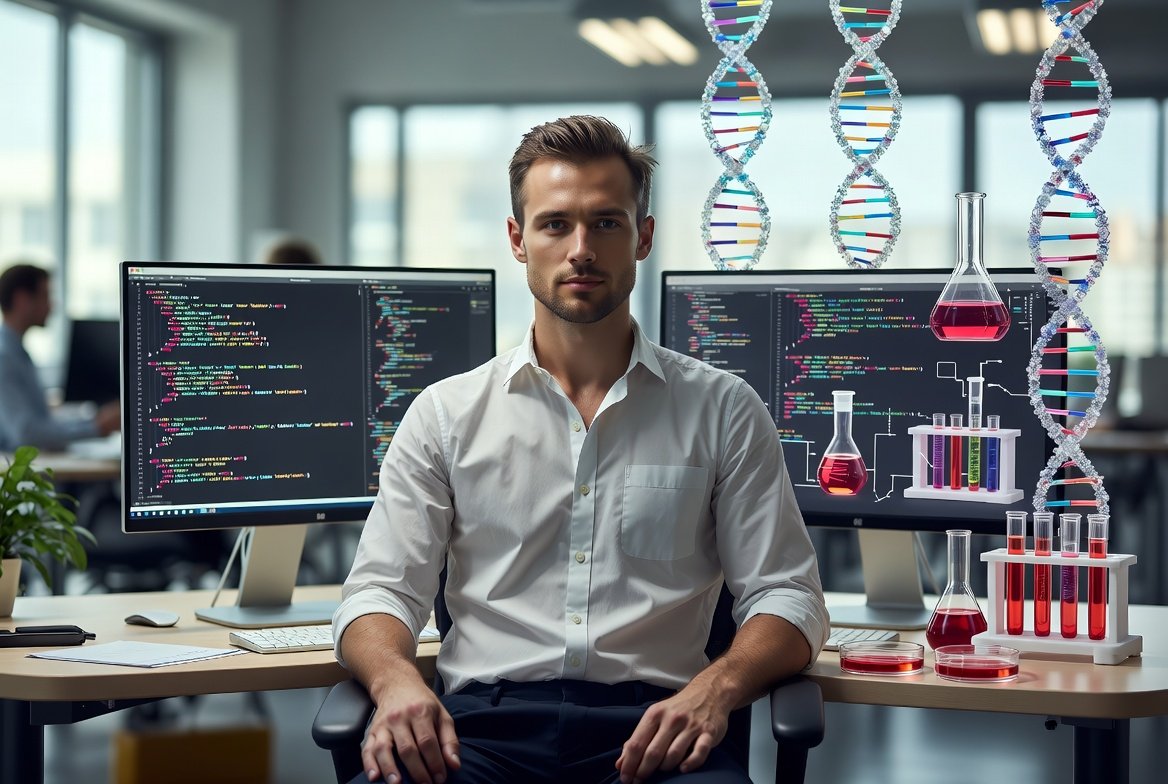
Many developers and IT engineers are already making the move. Common transition paths include:
Learning synthetic biology and molecular biology basics
Mastering bioinformatics and computational biology tools
Working with DNA synthesis, CRISPR, and genetic circuits
Understanding wet lab practices alongside dry lab (coding) skills
Contributing to open-source biocomputing projects
Essential Skills for IT Pros Entering Biocomputing
Programming — Python, R, and bioinformatics libraries (BioPython, Bioconductor)
Biology Fundamentals — Genetics, molecular biology, synthetic biology
Data Science & AI — Machine learning for biological data
Lab Automation & Robotics — Coding for lab equipment
Understanding Biological Circuits — Designing genetic logic gates
Career Opportunities in Biocomputing
Synthetic Biology Engineer
Bioinformatics Specialist
DNA Data Storage Architect
Biocomputing Researcher
Bio-AI Systems Developer
Biotech Software Engineer
Salaries in this niche are highly competitive, often matching or exceeding traditional tech roles, especially in the UK, US, and Europe.
Real-World Applications of Biocomputing
DNA-based data storage (much more sustainable than hard drives)
Biological sensors for healthcare and environment monitoring
Living computers for complex optimization problems
Smart probiotics and engineered bacteria for medicine
Molecular neural networks
From Software Engineer to Synthetic Biologist: Real Transition Stories
Many professionals start with online courses (Coursera, edX, MIT OpenCourseWare) and move into biotech startups or research labs.
Challenges IT Professionals Face in Biocomputing
Wet lab work, regulatory knowledge, and slower experimentation cycles compared to pure software development.
What is biocomputing?
Biocomputing is the use of biological materials and processes — such as DNA and living cells — to perform computing tasks traditionally done by silicon chips.
Do I need a biology degree to enter biocomputing?
Not necessarily. Many successful professionals come from pure IT or computer science backgrounds and learn biology on the job or through specialised courses.
How long does it take for an IT professional to transition into biocomputing?
Most people make a successful transition in 6–18 months with focused learning and hands-on projects.
Is biocomputing a good career move in 2026?
Yes. The field is growing rapidly with heavy investment from governments and big tech. It offers high job security and exciting interdisciplinary work.
Which companies are hiring for biocomputing roles?
Leading organisations include Microsoft (DNA storage), Google, Ginkgo Bioworks, Twist Bioscience, Oxford Nanopore, and many UK biotech startups.
11. Conclusion with CTA
Biology is quickly becoming the next programming language. Biocomputing represents one of the most exciting career opportunities for forward-thinking IT professionals who want to stay ahead of the curve.
The transition from traditional coding to biological systems may feel challenging, but the rewards — both intellectual and financial — are massive.
Ready to explore a career in biocomputing?
Contact the team at Humai Webs today. We help IT professionals and organisations navigate emerging technologies like biocomputing, synthetic biology, and next-generation computing.
Visit HumaiWebs or reach out for personalised guidance.