Designing for the 3D Web: A Developer’s Guide to Spatial Computing and AR

Designing for the 3D Web: A Developer’s Guide to Spatial Computing and AR
Introduction
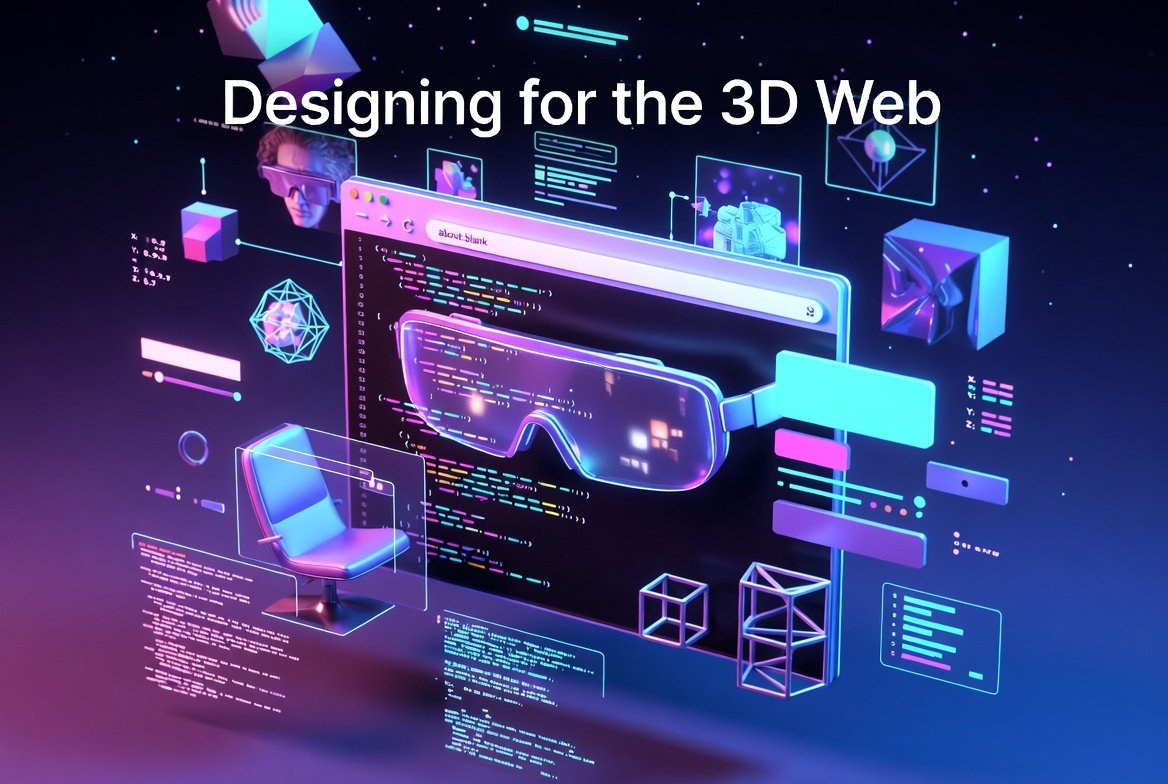
The web is no longer flat. With the rise of spatial computing and augmented reality (AR), 3D web design is becoming the next major frontier for developers.
Users now expect immersive, interactive experiences directly in their browsers — no apps required. In this comprehensive guide, you’ll learn how to design and build for the 3D web using modern tools like WebXR, Three.js, and more.
8. H2 Sections
What Is the 3D Web and Spatial Computing?
3D web design brings three-dimensional environments, depth, and spatial interactions to traditional websites. Spatial computing allows digital objects to exist in physical space, while AR overlays digital content onto the real world through cameras.
This shift is powered by standards like WebXR, which enables immersive VR and AR experiences directly in the browser.
Why 3D Web Design Matters in 2026
Increased adoption of AR glasses and headsets
Better performance on mobile devices
Demand for engaging user experiences in e-commerce, education, and training
Competitive advantage for brands
Future-proofing your development skills
Core Technologies for 3D Web Development
WebXR API — The foundation for immersive AR/VR experiences
Three.js — The most popular JavaScript 3D library
Babylon.js — Powerful alternative with strong editor support
Model Formats — glTF, USDZ, Draco compression
A-Frame — Easy HTML-based framework for WebXR
React Three Fiber — Best for React developers
Step-by-Step Guide to Building Your First 3D Web Experience
Set up a basic Three.js scene
Import and optimize 3D models (glTF)
Add lighting, materials, and animations
Implement WebXR controls for AR/VR
Add user interactions (click, drag, gesture)
Optimise performance for mobile
Deploy and test on real devices
Best Practices for 3D Web Design
Keep file sizes small (use compression)
Design with mobile-first and performance in mind
Ensure accessibility and fallback experiences
Use intuitive spatial interactions
Optimise for different lighting conditions in AR
Provide clear onboarding for users
Real-World Applications of Spatial Computing on the Web
E-commerce: Virtual try-ons and 3D product configurators
Real Estate: Virtual property tours
Education: Interactive 3D learning experiences
Manufacturing: AR maintenance guides
Marketing: Immersive brand campaigns
Choosing Between Three.js and Babylon.js
Three.js offers more flexibility while Babylon.js provides better out-of-the-box features and editor tools.
Performance Optimization Tips for 3D Web
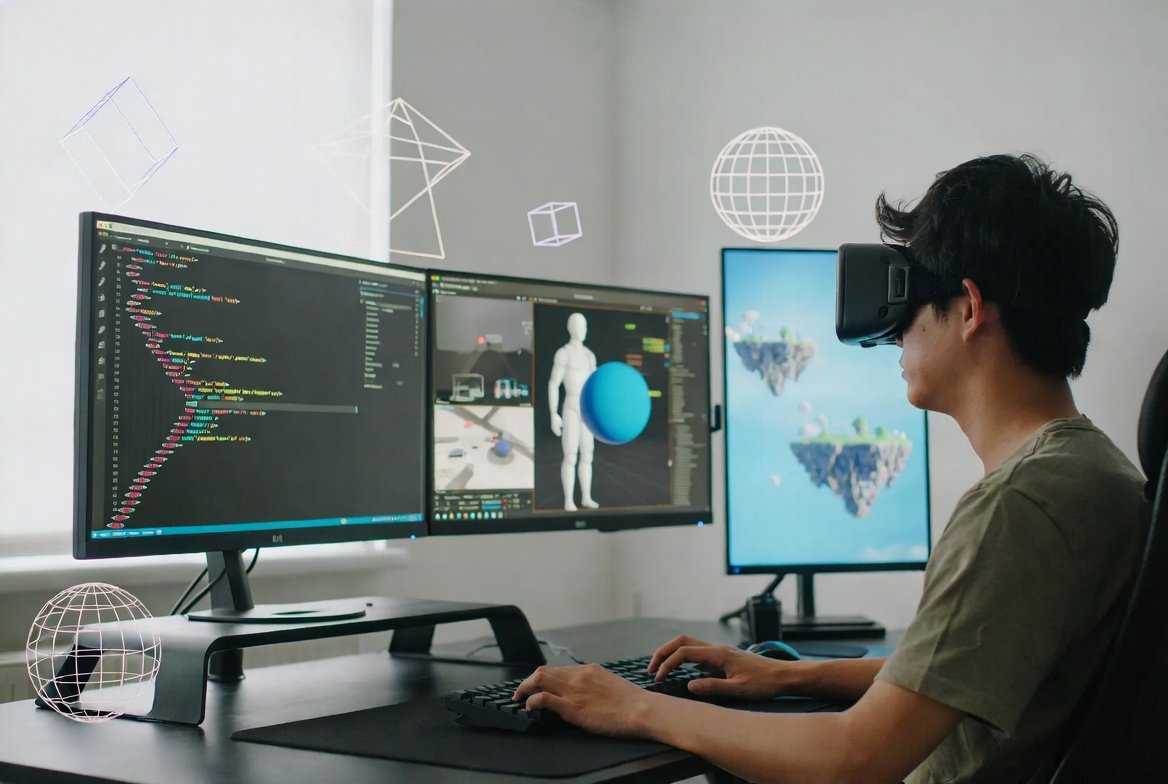
Techniques like LOD (Level of Detail), texture compression, and efficient rendering pipelines are essential.
FAQ Section
What is 3D web design?
3D web design involves creating immersive three-dimensional experiences that run directly in web browsers using technologies like WebXR and Three.js.
Do I need to learn Unity or Unreal Engine for the 3D web?
No. You can build powerful spatial experiences using JavaScript libraries like Three.js without game engines.
What is WebXR?
WebXR is a browser API that allows developers to create augmented reality (AR) and virtual reality (VR) experiences accessible via any compatible device.
Is 3D web design difficult to learn?
It has a learning curve, but developers with JavaScript experience can start building impressive projects within weeks.
Which devices support 3D web experiences?
Most modern smartphones support AR via WebXR. High-end headsets like Meta Quest, Apple Vision Pro, and Android XR devices offer full spatial computing capabilities.
11. Conclusion with CTA
The era of flat websites is ending. 3D web design combined with spatial computing and AR is redefining how users interact with digital content. Developers who master these skills today will lead the web of tomorrow.
Ready to bring your projects into the third dimension?
Contact the expert team at Humai Webs today. We help developers and businesses build cutting-edge spatial computing and AR experiences on the web.
Visit HumaiWebs or reach out for a consultation.