Local SEO Explained: How Small Businesses Get More Customers Near Them
Local SEO is the #1 way small businesses attract ready-to-buy customers who are searching right now in their area. In 2026, 46% of all Google searches have local intent, and 76% of “near me” searches lead to an in-store visit within 24 hours.
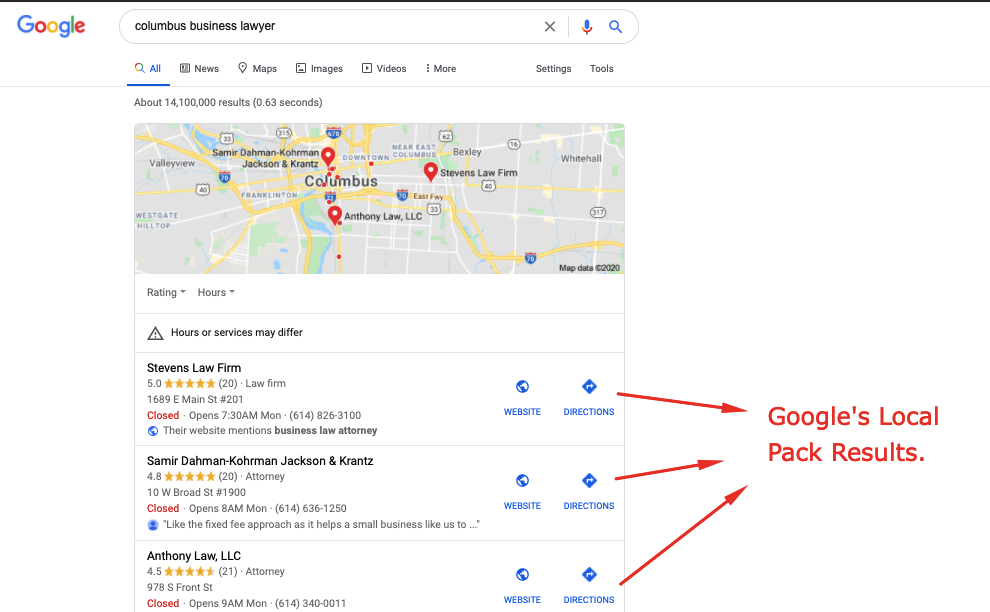
If your business isn’t showing up in the Google Local Pack (those top 3 map results), you’re invisible to the majority of local buyers.
Here’s exactly how Local SEO works — and a simple, proven system any small business can use to dominate local search in 2026.
1. What Is Local SEO?
Local SEO optimizes your online presence so Google shows your business when people search for services near them (e.g., “plumber near me”, “best coffee shop [city]”, or “Italian restaurant downtown”).
The three ranking factors Google uses:
Relevance — Does your business match what the searcher wants?
Proximity — How close are you to the searcher?
Prominence — How trusted and well-known are you locally (reviews, citations, content)?
2. The Google Local Pack = Your New Front Door
The Local Pack (map + top 3 businesses) gets more clicks than organic results combined. Businesses in the Pack see massive traffic — even before people reach their website.
3. The 2026 Local SEO Playbook (Step-by-Step)
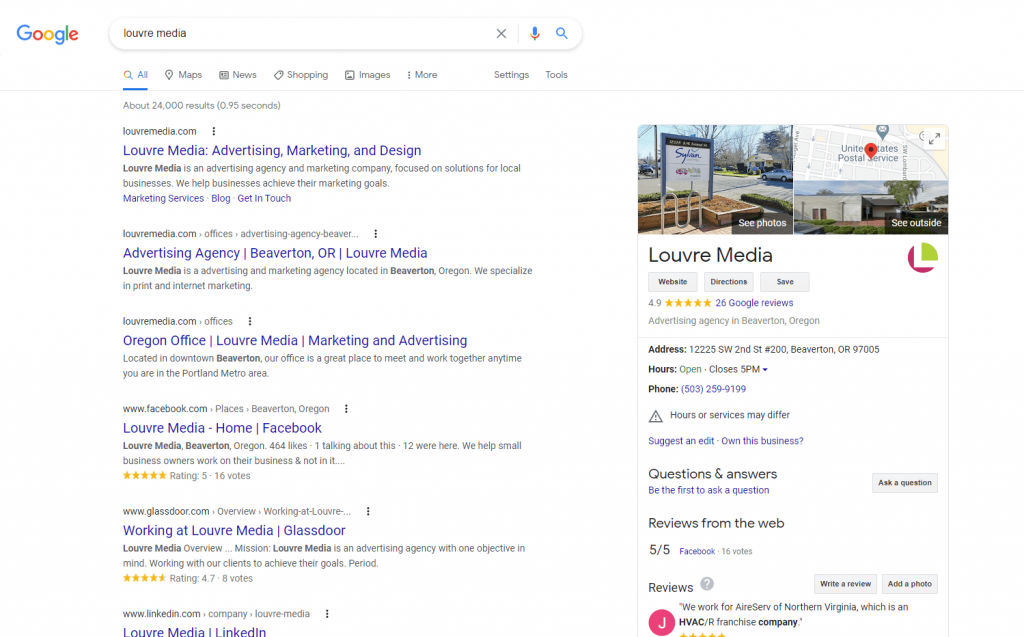
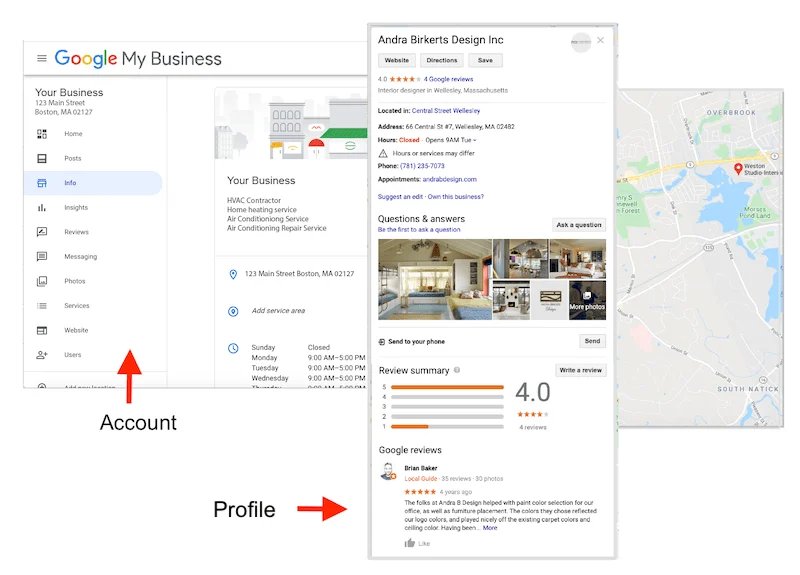
Step 1: Claim & Fully Optimize Your Google Business Profile (GBP)
This is still the highest-ROI activity in 2026.
Do this today:
Claim/verify your profile at business.google.com
Choose the most accurate primary category + relevant secondary categories
Fill out every field: services, products, attributes, hours, Q&A
Upload high-quality, geo-tagged photos and videos weekly (businesses with photos get 42% more direction requests)
Post offers, events, and updates regularly
Respond to every single review within 24 hours
Optimized GBPs get 2.3x more local visibility.
Step 2: Fix NAP Consistency (Name, Address, Phone)
Google penalizes inconsistencies. Use tools like Moz Local or BrightLocal to audit and sync your data across 50+ directories.
Step 3: Master Reviews & Reputation
87% of consumers read reviews before choosing a business
Businesses with 50+ reviews get 35% more Local Pack clicks
Respond to every review (positive or negative) — it signals trustworthiness to Google
Pro tip: Send automated review requests after every job/service.
Step 4: Optimize Your Website for Local Search
Add location-specific pages (e.g., “Plumbing Services in [City]”)
Use local keywords naturally: “[service] near me”, “[city] [service]”
Implement LocalBusiness schema markup (helps AI understand your business)
Make your site mobile-friendly and fast (core web vitals matter more than ever)
Step 5: Build Citations & Local Authority
Get listed on high-quality directories (Yelp, Apple Maps, Bing, industry-specific sites). Focus on quality over quantity.
Step 6: Create Hyper-Local Content & Build Trust Signals
Write blog posts answering local questions
Get mentioned in local news or community sites
Show real photos of your team, location, and customers (no stock images)
Step 7: Leverage AI & Voice Search (2026 Reality)
Google’s AI now summarizes reviews and answers questions directly from your GBP. Keep your profile active and your content clear and helpful.
Local SEO Checklist for Small Businesses (2026)
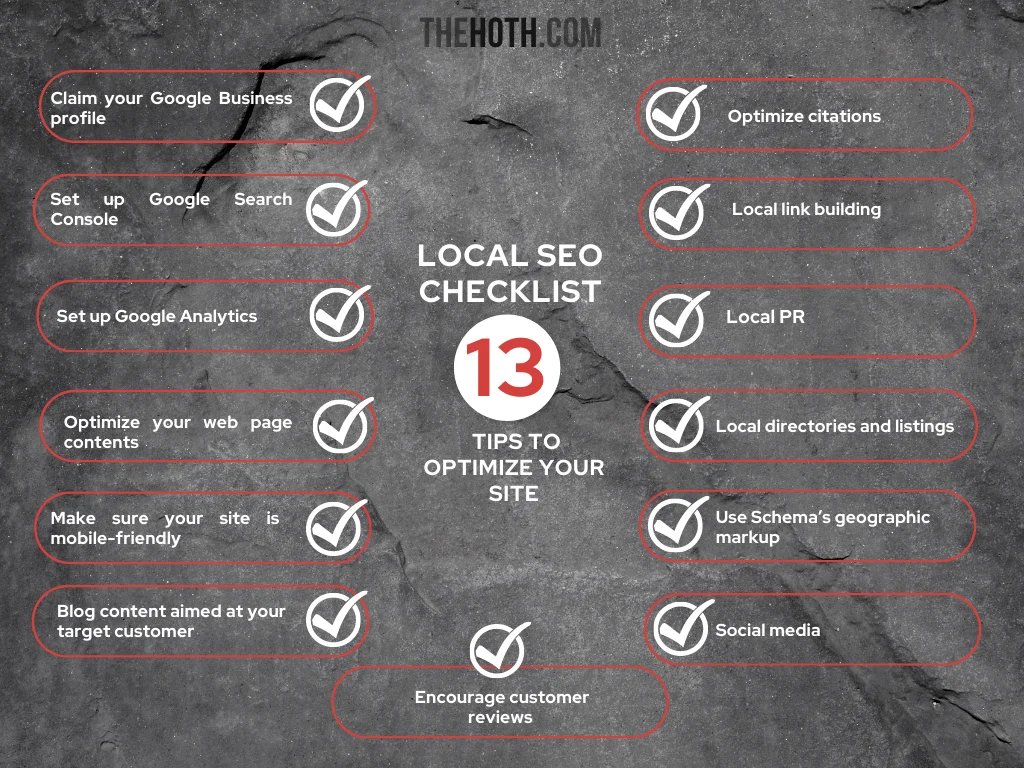
Quick 30-Day Action Plan:
Day 1-3: Claim + fully optimize GBP
Day 4-7: Audit & fix NAP consistency
Week 2: Collect 5–10 new reviews + respond to all existing ones
Week 3: Add schema markup + create 2 local service pages
Week 4: Post weekly on GBP + submit citations
Final Thought
Local SEO levels the playing field. You don’t need a huge budget — you need consistency and authenticity. Small businesses that treat their Google Business Profile like a second website and stay active win big in 2026.
Want me to review your specific business?
Drop your website URL or Google Business Profile link and I’ll give you a free personalized Local SEO audit with exact fixes (including meta tags, schema code, and content ideas).
Would you also like the SEO & Social Meta Tags for this post (just like we did for the website design article)?